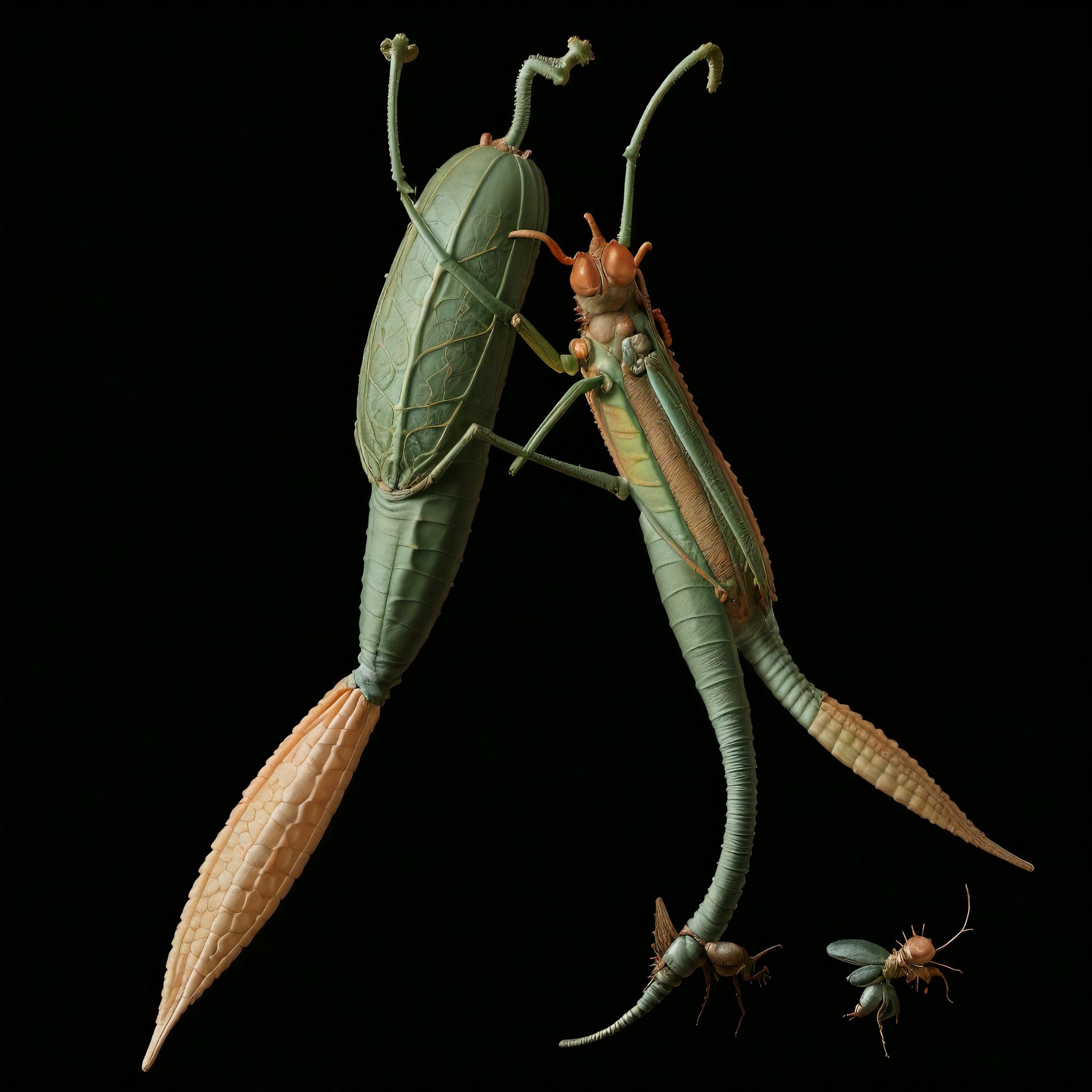
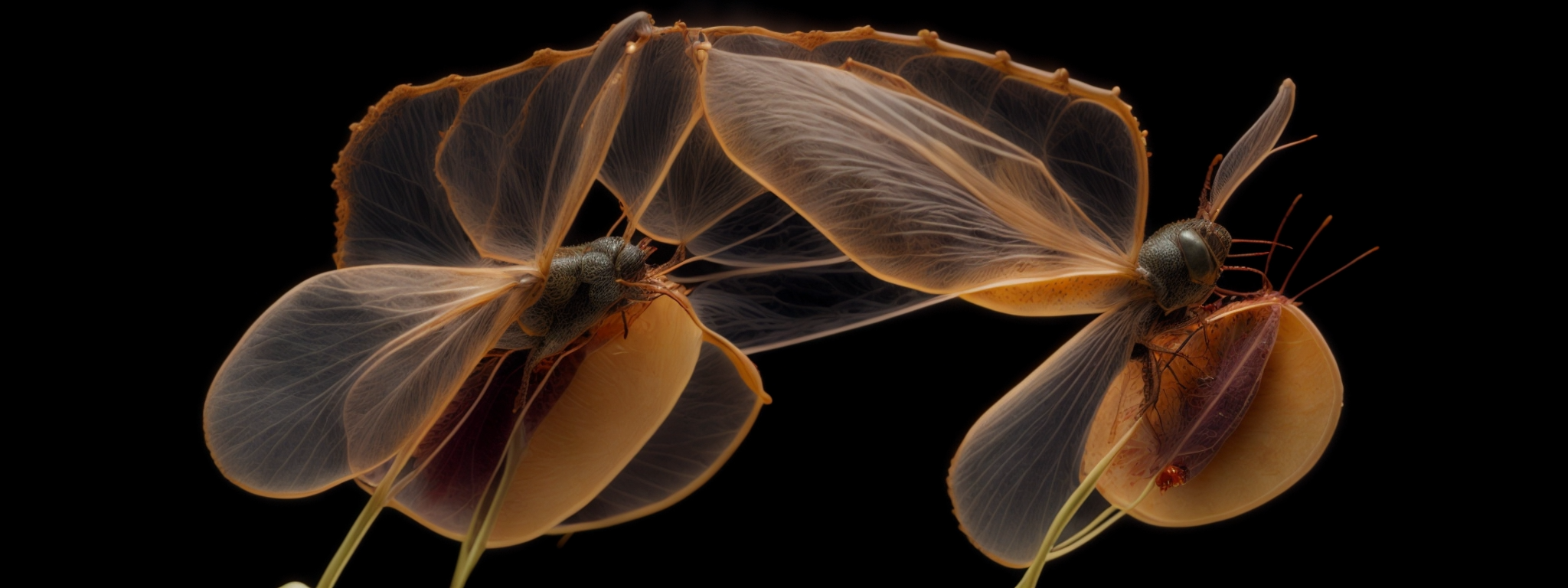
Mimicry is an artistic exploration of speculative species at the intersection of plants and insects, generated through artificial intelligence to metaphorically reflect nature’s adaptive strategies.
By evoking evolutionary processes such as exaptation and mimicry, the project reflects on biodiversity facing rapid ecological shifts driven by climate change and human activity, imagining hybrid beings that embody new strategies of survival. Through these entities, Mimicry envisions unprecedented forms of coexistence capable of adapting to a planet in transformation.
Play
Pause
Mute
Mute
Mute
Unmute
While human activities rapidly shape the planet and threaten its biodiversity, evolutionary forces continue their slow processes of giving rise to new living species. These forces are guided by the need to respond to new selective pressures faced by organisms, generating adaptations in forms, colors, and interspecies interactions. In a creative process similar, though not identical, to artistic creativity, nature comes up with and tests surprising solutions to the new challenges created by human activity and the ever-changing environment.
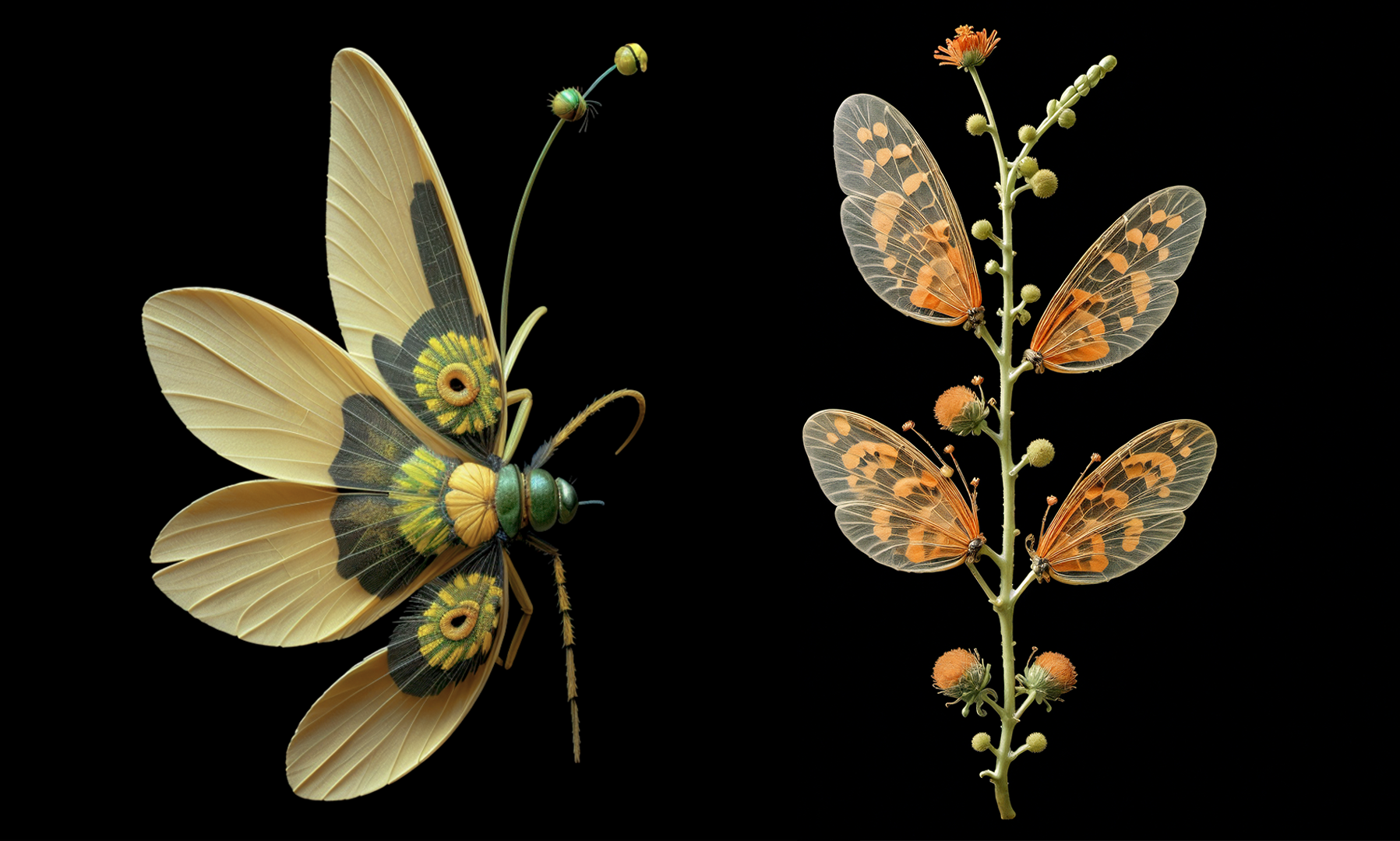
Mimicry explores the boundaries and thresholds of fantastical species born from the hybridization of insects and plants through a process mediated by artificial intelligence that simulates possible natural evolutionary trajectories. These beings represent nature’s search for new survival strategies, such as exaptation - where forms originally intended for one function take on new and unexpected roles - and evolutionary mimicry - in which plants and insects mutually shape their morphological and behavioral traits.
Mimicry envisions unprecedented forms of coexistence and symbiosis among natural kingdoms considered distant, capable of adapting to a planet in transformation.
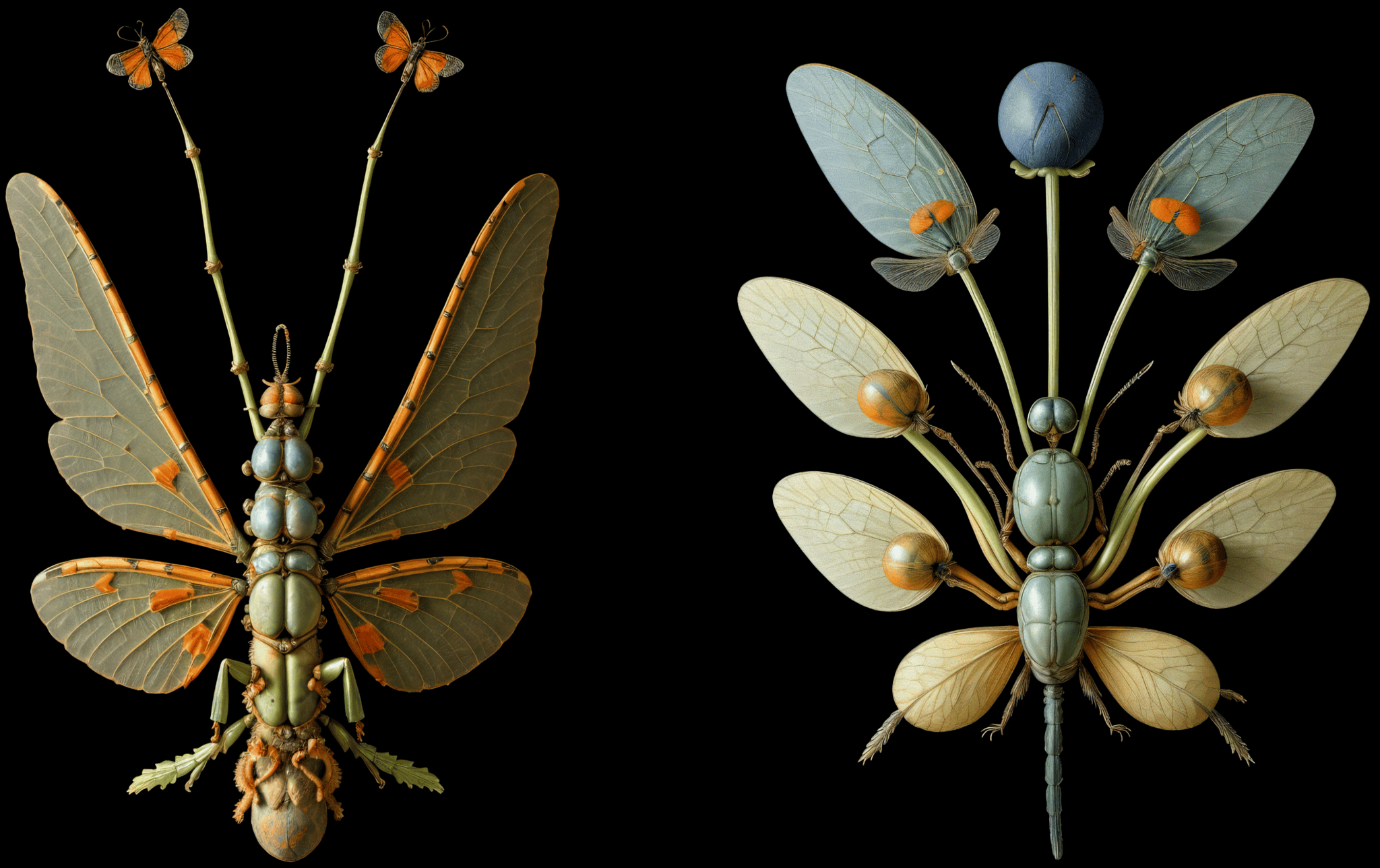
Evolution, with its random dynamics, generates a far greater variety of forms than those that actually manage to take hold. Countless hybridizations fail to pass the selective filters of survival. Humanity also applies its own perceptual and evaluative criteria, shaped by aesthetic norms and utilitarian logic, choosing and privileging certain outcomes from nature’s vast field of potential.
Donna Haraway’s work offers a powerful lens for rethinking the categories through which we understand the world. In her seminal essay “The Promises of Monsters” (1992), Haraway describes monsters as entities that challenge the boundaries between organism and machine, animal and plant, subject and object. These hybrid, liminal figures exist to question cultural, scientific, and identity narratives, offering alternative visions of coexistence.
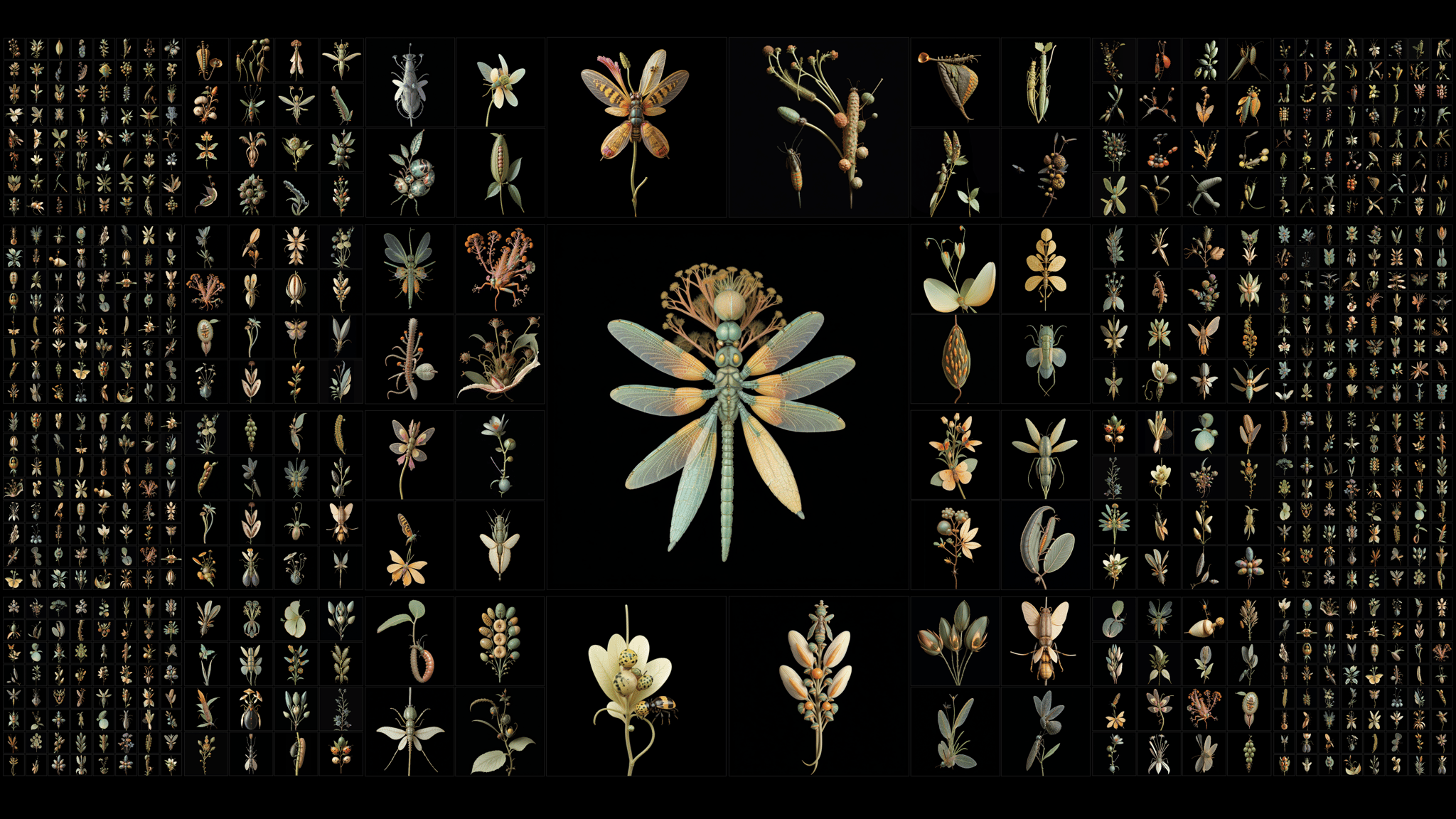
From the interplay between evolution and human filtering emerge these hybrid forms, which do not merely adapt to change; they inhabit zones of transition, becoming living metaphors of multispecies hybridization. Within this framework, artistic creativity emerges as a radical tool for exploring the realm of the possible. It liberates the imagination from inherited aesthetic canons and strict notions of utility, allowing us to speculate, to fabricate monstrous forms rooted in real patterns of coexistence.
The entities created in Mimicry respond to a context of profound ecological transformation, where the identity and distribution of Earth’s biomes are rapidly shifting due to global warming and human activities. Biomes are large-scale ecological units characterised by distinctive climate conditions, vegetation types, and associated wildlife. Each biome reflects specific interactions between climate, soil, and biological communities, and is often shaped by temperature and precipitation patterns.
Mimicry adopts a biome classification system consistent with Boonman et al. (2022), organizing the Earth's surface into seven core biomes: Tundra, Boreal Forest, Temperate Forest, Temperate Grassland, Xeric Shrubland, Tropical Grassland, Tropical Moist Forest. This typology captures the main global vegetation zones and allows for effective modeling of ecological transitions under climate change.
To model the speculative hybrids, Mimicry looks at how climate projections, such as the RCP 8.5 scenario, will reshape the distribution and composition of global biomes. RCP 8.5 is a high greenhouse gas emissions scenario developed by the IPCC. It assumes continued increases in emissions without significant mitigation efforts, leading to a projected global mean temperature rise of approximately +3.5°C by 2080 – 2100 compared to pre-industrial levels. Under this scenario, drastic shifts in ecosystems and biomes are expected due to extreme changes in temperature, precipitation, and atmospheric CO₂ concentrations.
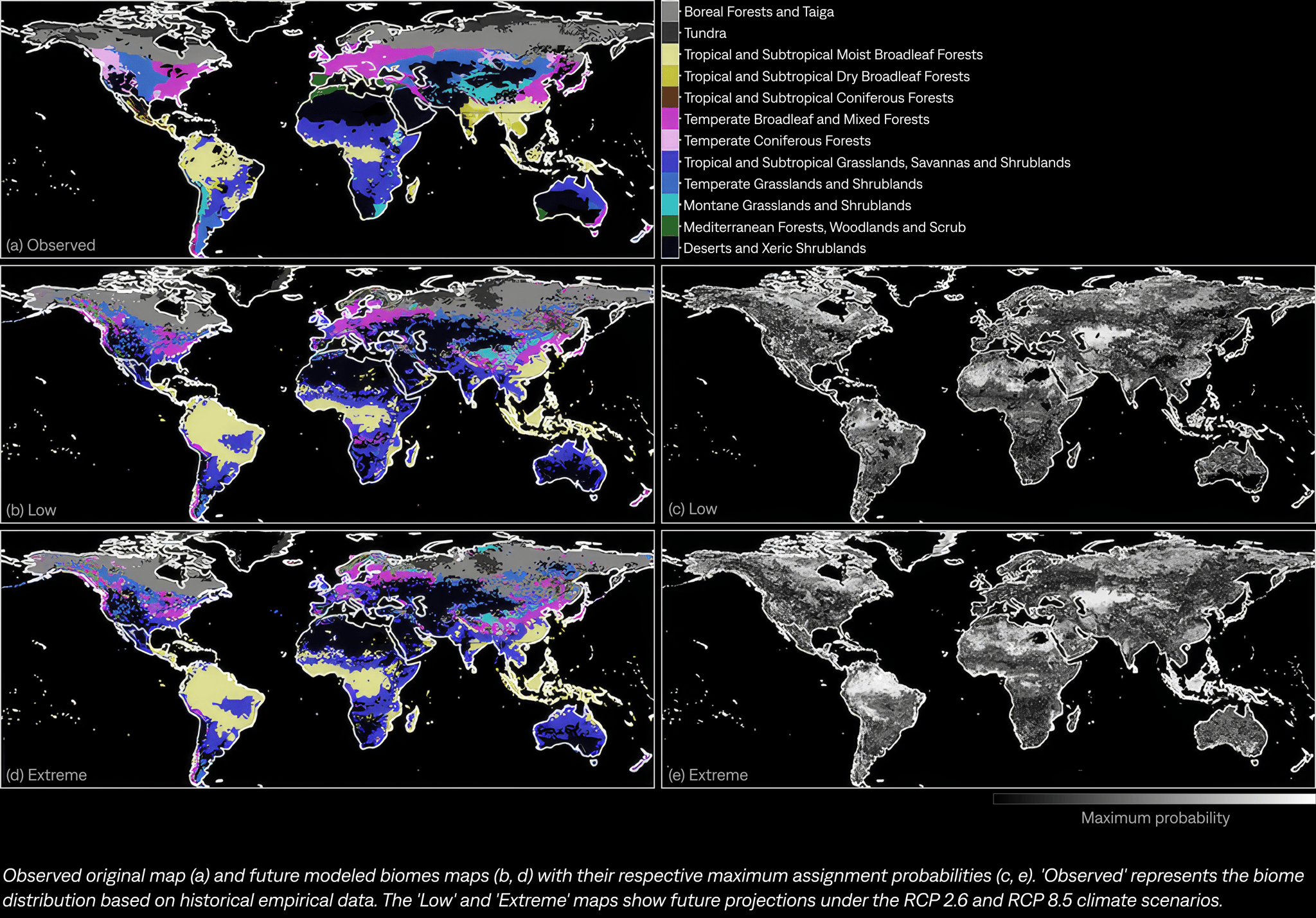
Following this research, Mimicry’ s biome classification organizes the Earth into the same seven core biomes, aggregating several smaller ones that are either ecologically transitional or spatially limited:
Tun - Tundra (Alpine Tundra, Arctic Tundra)
BoF - Boreal Forest (Boreal Evergreen Needleleaf Forest, Boreal Deciduous Needleleaf Forest)
TeBF - Temperate Forest (Temperate Evergreen Broadleaf Forest, Temperate Deciduous Broadleaf Forest, Temperate Mixed Forest)
TeG - Temperate Grassland (Temperate Grassland, Steppe)
DeS - Xeric Shrubland (Temperate Shrubland, Desert and Semi-Desert Vegetation)
TrG - Tropical Grassland (Tropical Shrubland, Tropical Grassland, Dry Forest Edge)
TrMF - Tropical Moist Forest (Tropical Rainforest, Moist Tropical Forest)
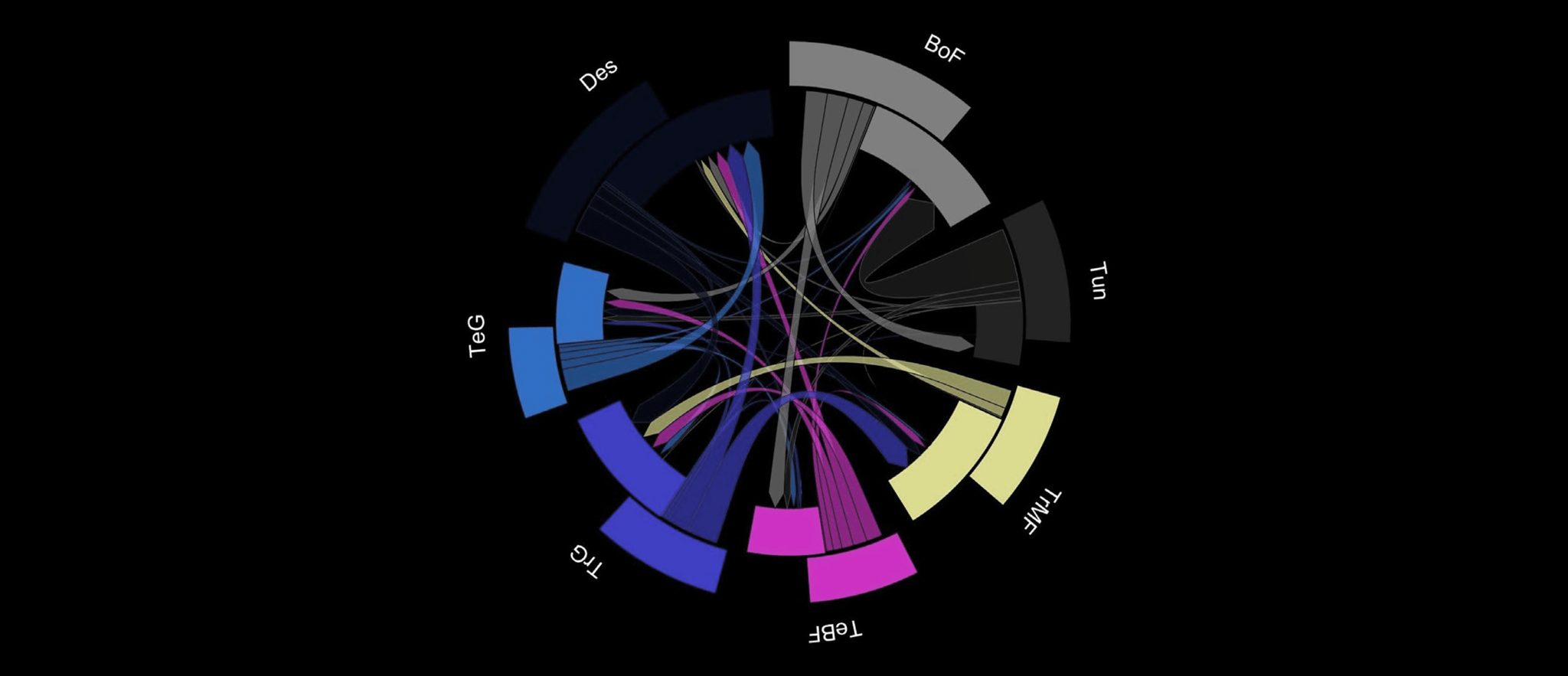
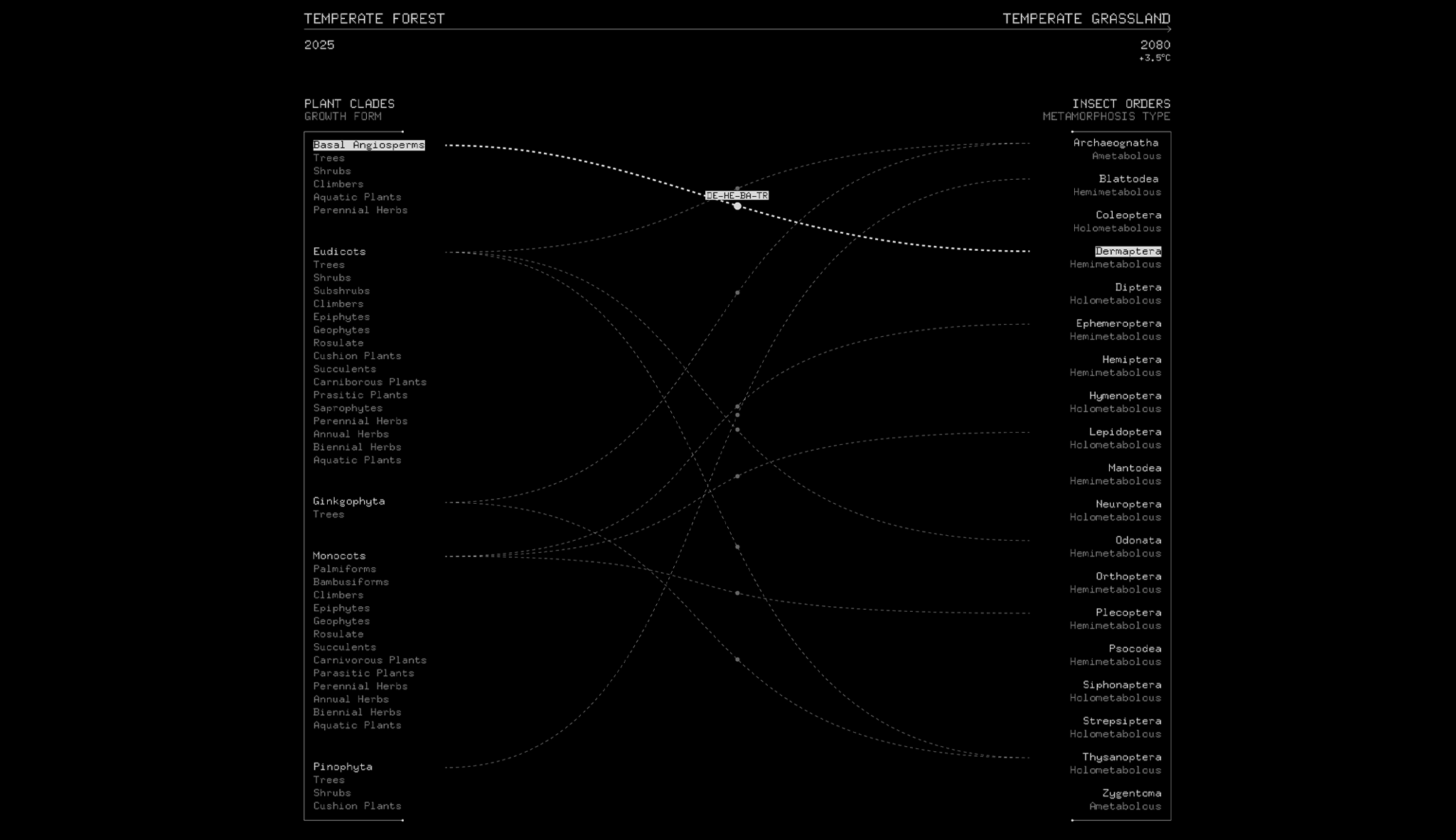
In Mimicry, each biome transition is explored by combining the plant clades of the departing biome with the insect orders of the destination biome. This dual adaptation allows them to bridge temporal and spatial ecological shifts, acting as transitional entities between ecosystems.
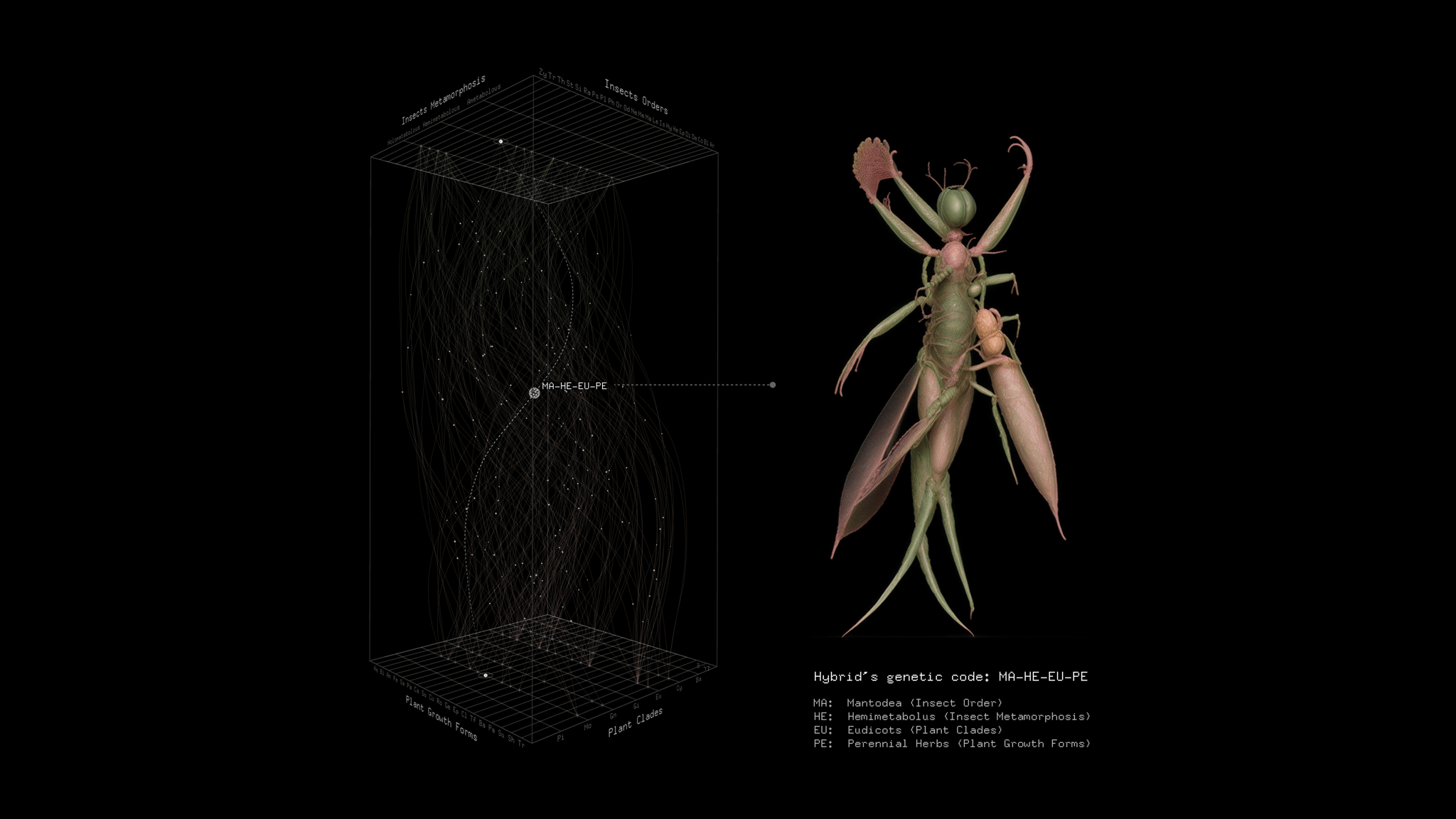
Each hybrid is assigned a unique genetic code structured around four components:
- Insect Order
- Insect Metamorphosis
- Plant Clade
- Plant Growth Form
This code allows tracing back its taxonomic origins and ecological affiliation. In this way, every transition generates a set of biome-specific organisms, since the pool of clades and orders differs across ecological zones.
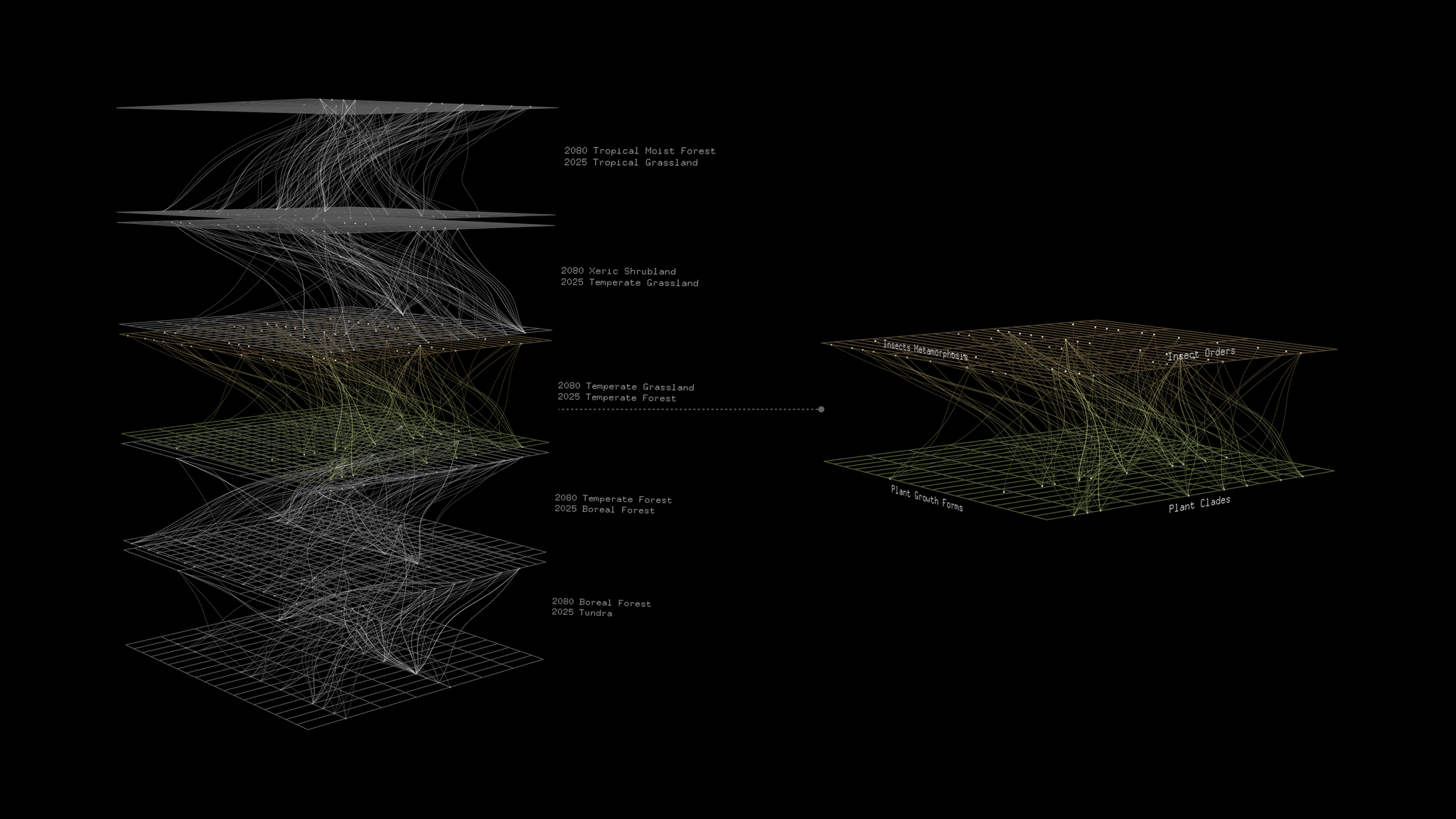
This system is visualized in the final artwork with a vertical, three dimensional shape formed by five layers, each corresponding to one of the biome transitions explored. The lower grids of each layer represent the Plant Clades and Plant Growth Forms characteristic of the starting biome, while the upper grids depict the Insect Orders and types of Insect Metamorphosis associated with the future biome. The filamental networks connecting these layers trace the possible combinations between plants and insects within each ecological context, mapping the hybrid potential that emerges in zones of transition.
Mimicry is also inspired by horizontal gene transfer, a process that allows organisms to acquire genetic traits from other species or kingdoms, thus speeding up adaptation. Although this phenomenon is known in microbes, its presence has recently been demonstrated in other kingdoms as well.
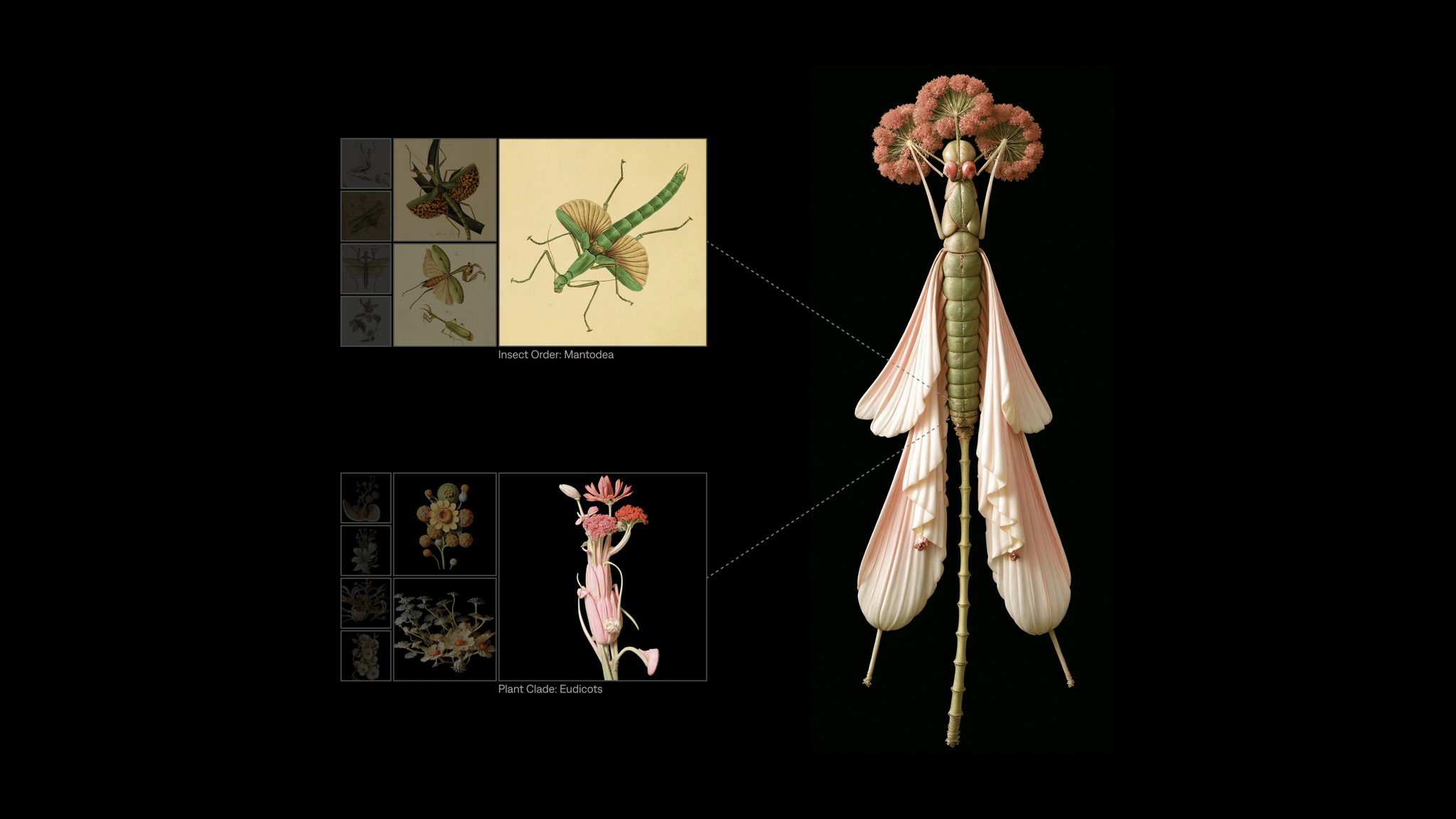
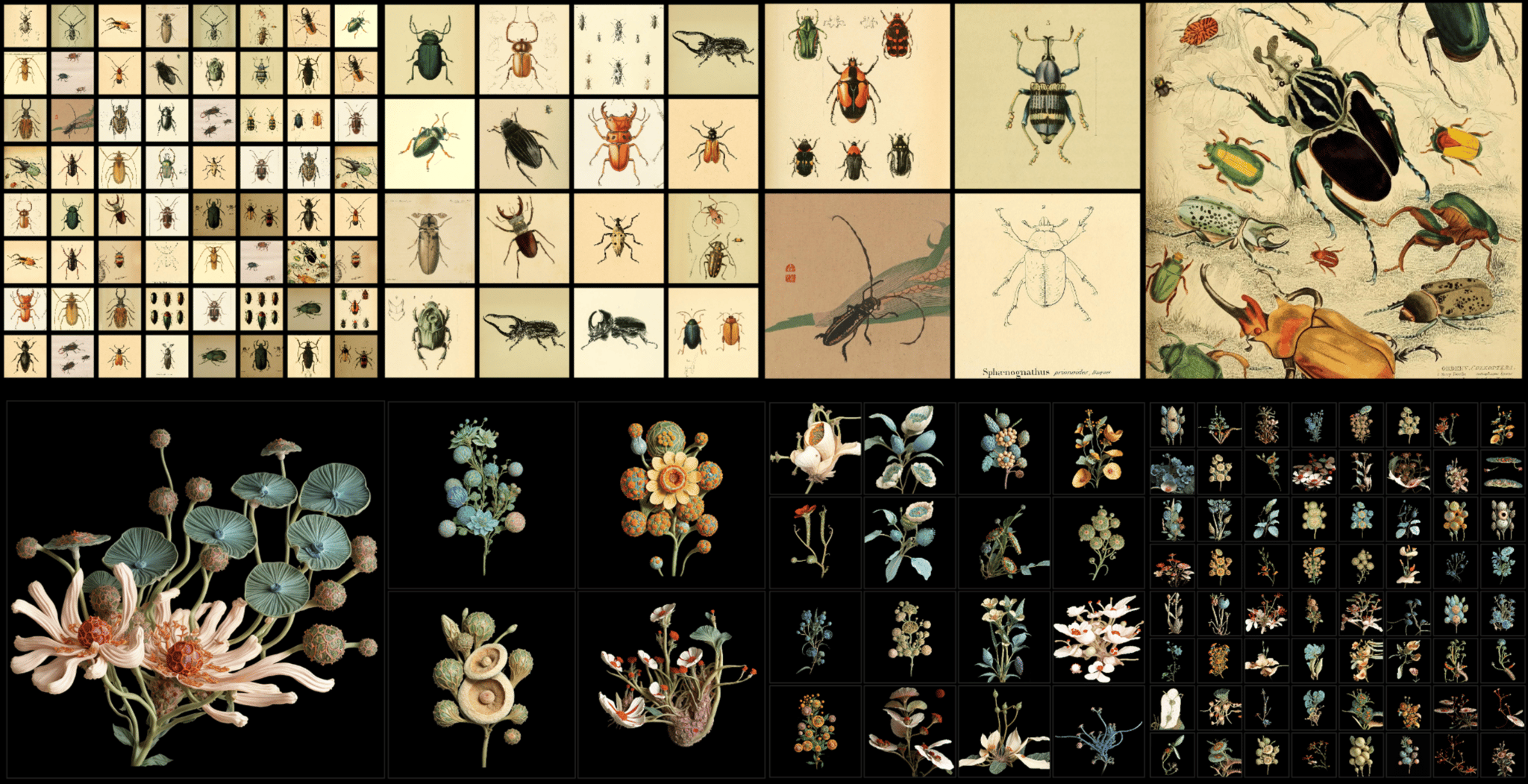
In Mimicry, this transfer enables plant-insect hybrids to continuously transform, absorbing and incorporating characteristics from both kingdoms. Using text-to-image models, the botanical structures are created based on real clades within the Plantae kingdom, with prompts describing their morphological traits. The insectoid elements are then integrated through image-to-image processing, working with an archive of entomological illustrations to merge plant structures with insect-like forms.
Diffusion Models are generative systems that synthesize images by gradually transforming patterns of noise into coherent visual forms, guided by input data such as text or reference images.
In Mimicry, the workflow combines both text-to-image and image-to-image processes. The initial botanical forms are generated using text-to-image models, with prompts describing real plant clades and their morphological features. These images establish the base material for further transformation.
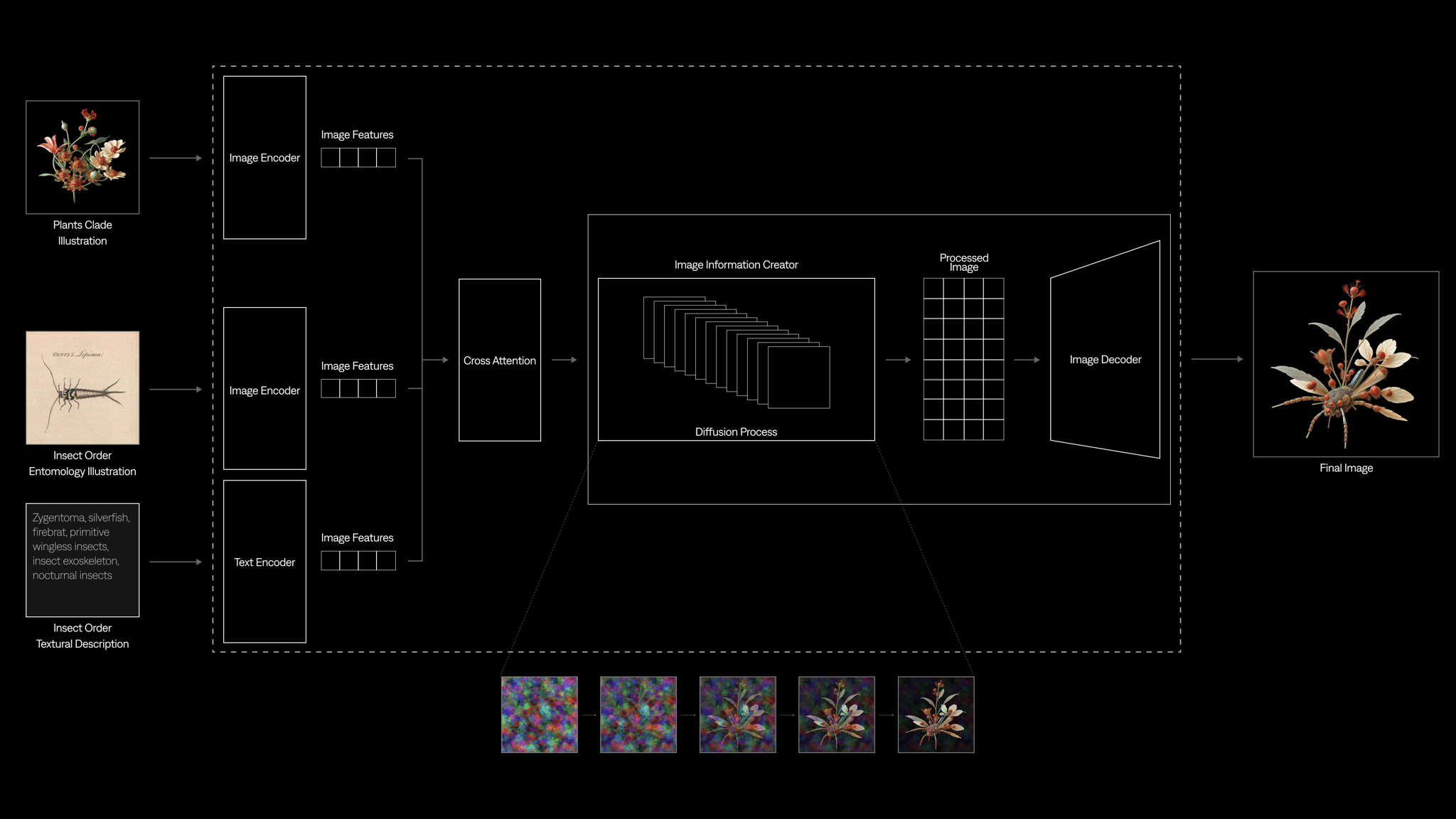
The creation of hybrid insectoid structures involves two image-to-image stages. First, the botanical images are reinterpreted using a curated archive of entomological illustrations, allowing plant forms to take on insect-like qualities. Then, additional transformations refine the hybrid through a second image-to-image pass, blending visual traits from both kingdoms. Throughout the process, text prompts also accompany the insect component, guiding the evolution of specific features such as segmented limbs, wings, or exoskeletal textures.
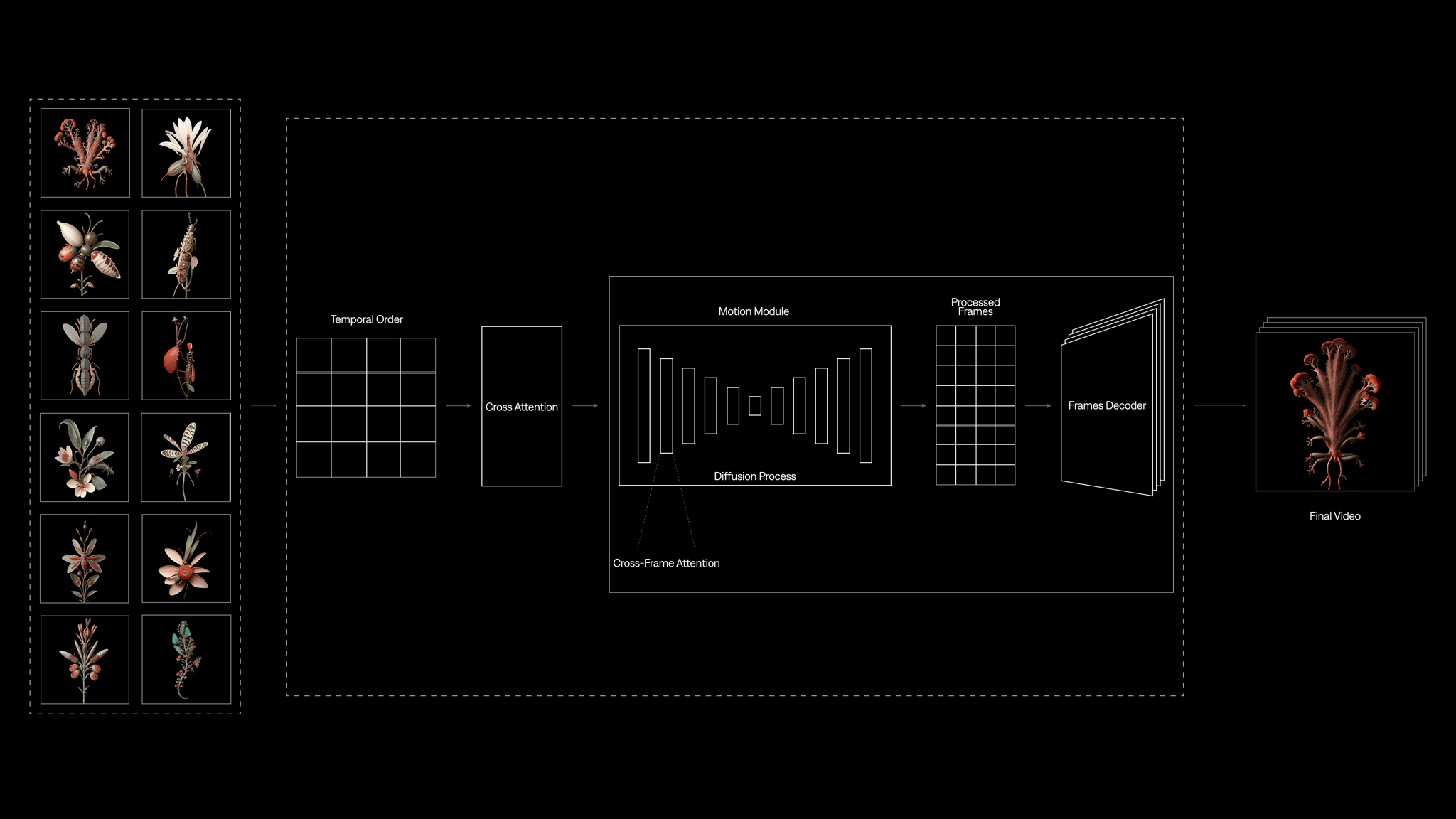
Following the creation and cataloguing of hybrid images, Mimicry extends them into motion through image-to-video generative models. These systems animate static forms by interpolating visual states, gradually unfolding the hybrids over time. This workflow allows organisms to appear as if they are evolving and morphing across successive frames. Subtle guidance ensures continuity in features such as texture, segmentation, or structural rhythm, so that the hybrids retain coherence while remaining in transformation.
The musical structure of Mimicry mirrors the division of biomes.
Each biome is translated into a vertical stack of notes, forming a sequence of harmonies. These harmonic blocks evolve step by step, gradually introducing new tones while maintaining some common notes, creating smooth and almost imperceptible transitions. The result is a language that shifts progressively while remaining rooted in a major diatonic framework, symbolically reflecting the gradual rise in temperature across biomes.
The relationship with the visual material is not descriptive or narrative. Instead, sound is tied to movement, reflecting the flow of images rather than accompanying them. A custom patch analyses the speed of visual movement in real time and translates it into audio parameters such as volume, frequency modulation, and timbral variations. Thus, the music reacts dynamically to the visuals rather than synchronising in a traditional sense.
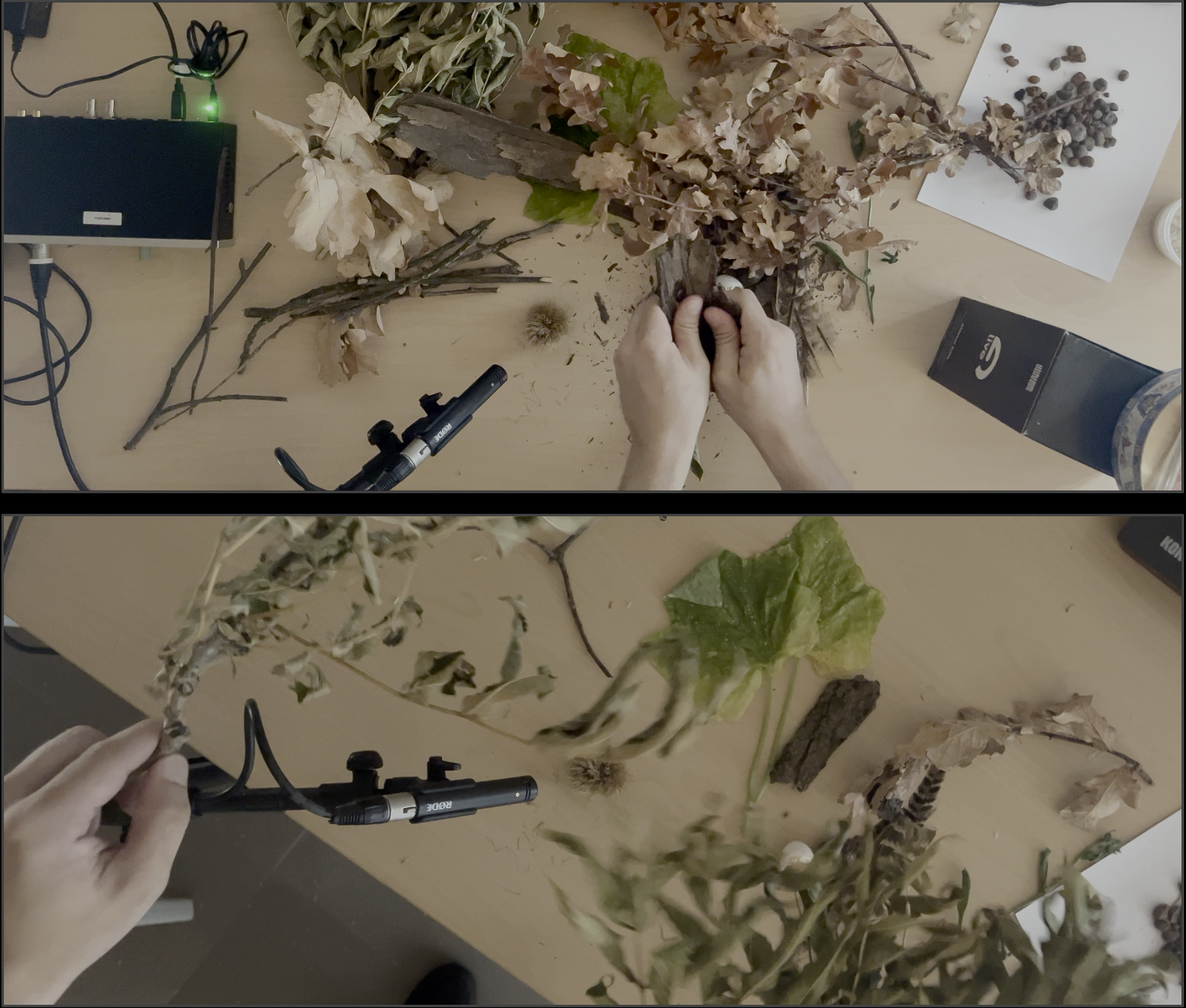
The sound palette is grounded in the natural world: timbres recorded from leaves, branches, and soil are processed and used as resonant material. Combined with the harmonic structures, these organic sounds create a layered, immersive sonic environment that emphasises depth and continuity.